

BLOG
What should you think about before building a garden room?
Dream of extra space bathed in sunshine? A haven for hobbies or a tranquil home office escape? A garden room could be your answer.
These versatile outbuildings are popping up in gardens across the UK, and for good reason. Imagine stepping out if your backdoor into a bright, airy space that blends comfort with function. Whether you crave a dedicated home office, a peaceful yoga studio, a personal workout space, kids’ den or even a luxurious garden bar or kitchen, a garden room can be your tailor-made solution.
But before you start sketching plans, there are some crucial things to consider. This guide will explain everything you need to know about garden rooms and what you need to consider before building one.
Planning your garden room
Now that your imagination is buzzing with possibilities for your garden room, let’s get down to the nitty-gritty: permissions and design choices. This won’t be a dry lecture. We’ll break it down into bite-sized pieces, ensuring your vision stays on track.
Permitted Development Rights – friend or foe?
The good news is, you might not need full planning permission for your garden room. Permitted Development Rights allow certain types of outbuildings without formal approval. However, there are some key rules to follow:
- Size matters: Your garden room must be single storey, under 30 square metres (roughly the size of a large garage), with eaves no more than 2.5m above ground level. It can have a maximum height of four metres with a dual-pitched roof, or three metres with any other roof type. Exceed these limits, and planning permission becomes necessary.
- Location, location, location: It must be a free-standing structure and separated from your main house. Position your room at least two metres from your property boundaries (unless it’s under 15 square metres) and avoid placing it in front of your house’s main elevation. If the garden room is within two metres of a boundary, its total height, including the roof, can be no more than 2.5m without planning permission.
- No sleeping allowed: Garden rooms with Permitted Development Rights can’t be used for permanent living or sleeping. They’re perfect for hobbies, relaxation or even a home office, but not overnight stays.
There are a couple of other sets of rules to bear in mind. If your garden room’s design exceeds the Permitted Development limits, fret not. Planning permission is still achievable. The process involves submitting detailed plans and drawings to your local council, along with a fee. Be prepared for some waiting time, as the council will assess your proposal against various planning guidelines.
And even with permitted development rights, Building Regulations still apply. These ensure your garden room is safe, structurally sound and energy efficient. Building Regulations cover things like fire safety, insulation and drainage. While you can navigate these regulations yourself, consulting a professional installer, like Riverside Garden Rooms, can save you time and headaches in the long run.
Whether you’re a seasoned DIYer or an enthusiastic newbie, seeking professional guidance can be invaluable. We can help design your dream room, ensure its structural integrity and address any planning issues you may have. Our expertise can save you time, money and stress, allowing you to focus on the exciting part: bringing your garden room to life.
Design & installation
Now that we’ve cleared the planning hurdles, let’s dive into the fun part: designing your dream garden room. First, consider how you’ll use your garden room. Will it be a cosy reading nook, a bustling art studio or a multi-functional space for work and play? This will dictate its optimal size. Bigger isn’t always better – a well-designed smaller space can feel more intimate and inviting. Think about furniture placement, traffic flow and storage needs, to ensure the layout maximises comfort and functionality.
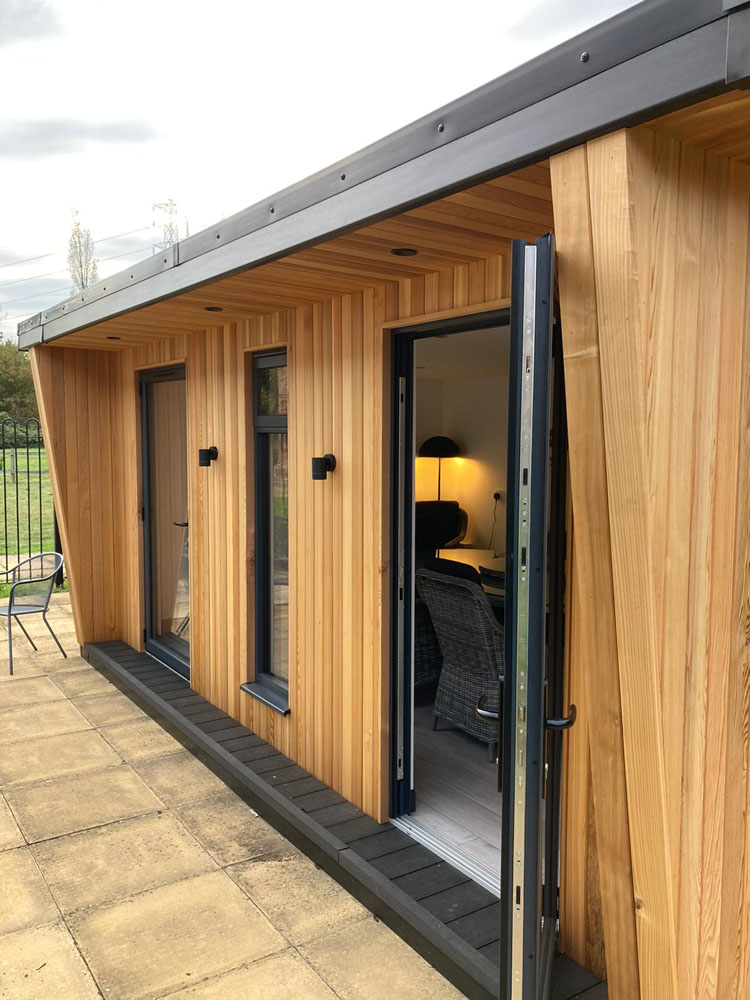
Next, let’s talk materials. Weather-resistant options like FSC-certified timber, or composite cladding, ensure your garden room withstands the ever-changing British weather. Insulation is key for year-round enjoyment, so choose materials and construction methods that keep the warmth in during chilly months and prevent overheating in summer.
Natural light is vital for creating a bright and airy space. Strategically placed windows can frame stunning views and bathe your garden room in sunshine. Think about your desired level of privacy and choose window styles accordingly. Rooflights are a fantastic option for bringing in extra light and creating a sense of openness, especially in smaller rooms.
Don’t forget the doors. French doors create seamless indoor-outdoor flow, while sliding doors offer space-saving efficiency. And remember, inclusivity is key. If accessibility is a concern, especially for children, elderly relatives or wheelchair users, ensure wide doorways, level access and adequate turning space to accommodate everyone who wants to enjoy your garden room. Ramps, grab bars and other safety features will also help create a welcoming space for all.
Garden room practicalities
Now we’ve explored the design, it’s time to tackle some practicalities that will ensure your garden room isn’t just beautiful, but functional and long-lasting. Utilities, landscaping, security and maintenance are the nitty-gritty details that help turn your dreams into reality.
Electricity is a must for most garden rooms, powering lighting, heating, WiFi, electrical equipment and appliances. Explore options like connecting to your main house supply or installing solar panels for a sustainable touch. Water supply can be trickier, depending on your needs and local regulations. Consider rainwater harvesting to reduce reliance on mains water. Drainage is crucial to avoid damp and foundation issues. Consult our experts to ensure proper drainage solutions are in place.
Your garden room shouldn’t feel like an island. Carefully integrate it into your existing landscape. Create inviting paths, plant complementary greenery and consider decking or patios for seamless indoor-outdoor flow. Remember, proper drainage is also vital here. Ensure rainwater flows away from your garden room to avoid damage and ensure a healthy foundation.
Security is crucial for peace of mind. Install secure locks, consider motion-sensor lighting and explore alarm systems if needed. Remember to secure any valuables stored inside, especially if your garden room houses expensive electrical appliances or equipment.
Maintaining your garden room
Like any building, your garden room requires ongoing maintenance. Regularly clean gutters, inspect the roof for leaks and treat wooden elements to protect them from the elements. Depending on your materials, you might need to repaint or re-stain periodically. Taking good care of your garden room will ensure its beauty and functionality for years to come.
Building a garden room also requires careful budgeting. Be realistic about your finances and factor in all the costs: materials, labour, permissions, utilities and even potential unforeseen expenses. The cost can vary greatly depending on your chosen approach.
DIY projects might seem budget-friendly, but they require time, skills and permits. Prefabricated kits offer a quicker and less demanding option, but customisation might be limited. Custom builds offer complete control but come with the highest price tag. Weigh your priorities, skills, and budget carefully before choosing your path.
Remember, don’t underestimate the value of professional guidance. Consulting a professional garden rooms installer like Riverside can save you money in the long run by preventing costly mistakes and ensuring your project runs smoothly.
How can Riverside Garden Rooms help?
So, there you have it. From navigating the planning maze to crafting the perfect design and ensuring its long-term integrity, you’re now equipped with the knowledge to embark on your garden room journey. Remember, the most important ingredient is your own vision – let your imagination soar and create a space that reflects your lifestyle and dreams. Here are some final tips:
- Start small, dream big: Don’t be afraid to start with a basic design and add features later as your budget allows.
- Seek inspiration: Browse online resources, magazines and even visit showrooms to see stunning garden room examples.
- Embrace the journey: Building your dream space should be an enjoyable experience. Don’t get bogged down in the details. Have fun with it.
Remember, your dream garden room is within reach. With careful planning, informed decisions and a sprinkle of imagination, you can create a beautiful, functional and lasting addition to your home and garden. A space that brings joy, relaxation and endless possibilities for years to come. So, what are you waiting for? To start planning your garden room project, give us a call to see how we can help.